
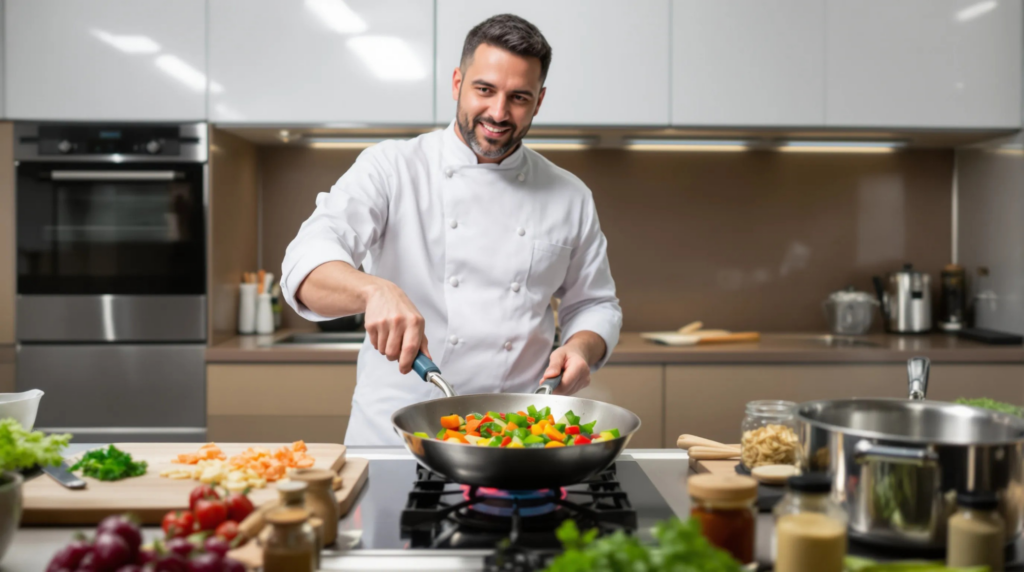
If you’ve ever burnt toast or ended up with pasta that resembled a sticky science experiment, you know the importance of mastering various cooking techniques. Don’t worry: we’ve all been there. But fear not. Whether you’re whipping up a weeknight dinner or impressing guests at a dinner party, understanding different cooking methods will elevate your culinary game. Let’s jump into our comprehensive cooking techniques list, where mastering the art of cooking becomes a deliciously enjoyable adventure.
Essential Cooking Techniques
Cooking is both an art and a science, and knowing the right techniques can make all the difference. First up, we have the basics like boiling, sautéing, roasting, and baking. These foundational skills allow us to build upon our culinary repertoire. Boiling and blanching serve as excellent methods for preparing vegetables, while sautéing brings out incredible flavors in meats and aromatics. Roasting is a great way to develop complex flavors and textures in everything from root vegetables to poultry, while baking is the magic we need for cookies, bread, and pies. Each technique holds its own unique charm and purpose.
Dry Heat Cooking Methods
Next, let’s explore dry heat cooking methods. These techniques don’t involve any moisture, relying instead on convection heat to cook our ingredients. Roasting, grilling, frying, and broiling are the key players here. Roasting, similar to a warm hug from your oven, brings out the best in meats and vegetables, resulting in crispy exteriors and succulent interiors. Grilling adds a smoky flavor, elevating everything from vegetables to steaks that makes our taste buds rejoice. Frying, whether deep or shallow, adds an irresistible crunch, while broiling heats from above for quick cooking. We can all agree: the sizzle and aroma have a way of making our hearts flutter.
Moist Heat Cooking Methods
In contrast, moist heat cooking methods introduce liquid into the mix. These methods, including boiling, steaming, and braising, make sure that our ingredients maintain their moisture and tenderness. Boiling is fantastic for pasta and grains, while steaming is our secret weapon for perfectly cooked vegetables that retain their nutrients. Braising is almost poetic: combining slow-cooking with a little moisture allows tougher cuts of meat to transform into tender masterpieces. It’s all about elevating those flavors while keeping everything juicy and delicious.
Combination Cooking Methods
Now, let’s talk about combination cooking methods that blend both dry and moist heat techniques. Stewing and braising fall into this category. A classic stew combines meats and vegetables cooked slowly in a flavorful liquid, resulting in a comforting meal. Braising, mentioned earlier, is another fantastic way to break down tougher cuts of meat using both direct heat and moisture. We love how these methods can create depth and richness that will leave everyone asking for seconds.
Specialty Cooking Techniques
For those adventurous cooks among us, specialty cooking techniques offer unique ways to create memorable meals. Sous vide, for instance, is rapidly gaining popularity. By vacuum-sealing food and immersing it in a temperature-controlled water bath, we can achieve precise cooking results every time. Smoking is another intriguing technique that imparts fantastic flavors into meats and fish. Don’t forget about fermentation, a key process for making everything from kimchi to homemade yogurt. These techniques may take a bit more patience but lead to delightful outcomes.
Tips for Mastering Cooking Techniques
To truly master these cooking techniques, practice makes perfect. Start small: perhaps choose one technique each week to focus on. Keep experimenting and don’t shy away from making mistakes, each one is a lesson. Watching cooking shows or YouTube tutorials can inspire us to try new things, while investing in quality cookware ensures we’ll get the best results. Remember, the kitchen is our playground, so let’s embrace creativity.
Taking notes on what works and what doesn’t will also enhance our learning curve. Over time, we’ll find our personal preferences and refine our styles. It’s all about enjoying the process and delicious rewards.